
Posted by: John Phoenix
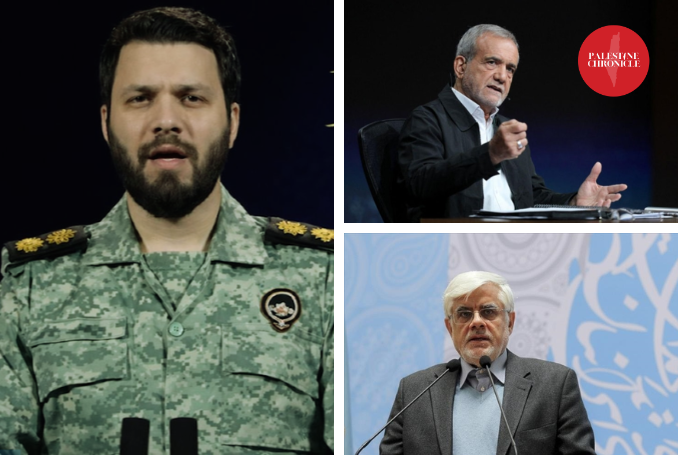

Iran details sweeping retaliation plan, including Hormuz closure and regional strikes, if US targets its energy infrastructure.
Key Developments
- Iran outlines detailed retaliation plan if the US targets its energy infrastructure
- Threats include closing the Strait of Hormuz and targeting regional energy networks
- Iranian officials reaffirm readiness for escalation and decisive response
Retaliation Plan Detailed
Iranian military officials have issued a detailed warning outlining the steps Tehran says it will take if the United States proceeds with threats to target Iranian energy infrastructure.
Speaking for Iran’s Khatam al-Anbiya Central Headquarters, Brigadier General Ibrahim Zolfaghari said punitive measures would be implemented immediately if such an attack occurs.
According to the statement, the response would include the following:
- Closure of the Strait of Hormuz: Iran stated it would “close the Strait of Hormuz completely,” adding that it would not be reopened until “our destroyed facilities are rebuilt.” The waterway is one of the world’s most critical energy transit routes.
- Targeting Israeli Infrastructure: Iran warned it would strike “all electricity stations, energy infrastructure, and information and communications technology (ICT)” belonging to Israel on a wide scale.
- Destruction of US-Linked Companies: Tehran said it would “completely destroy” similar companies across the region in which the United States holds shares, expanding the scope of retaliation to economic assets.
- Regional Energy Targets: Iranian officials declared that energy infrastructure in countries hosting US bases would become “legitimate targets.”
Zolfaghari stressed that preparations are already in place, stating that “everything is ready for the complete destruction of all US economic interests in West Asia.”
He added that Iran “did not start the war,” but warned that if Iranian facilities are targeted, Tehran “will do everything necessary to defend our country and the interests of our people.”
The statement further emphasized that operations would proceed without interruption, noting that “nothing will be able to stop the continuation of our operations” against energy, oil, and industrial infrastructure linked to the United States and its allies.
Iranian officials also indicated that the Strait of Hormuz remains under what they described as “smart control,” with passage currently allowed under specific conditions that do not threaten Iranian security.
Hormuz Closed to ‘Enemies’: Iran Signals Limited Access as Trump Escalates Threats
By Palestine Chronicle Staff Iran signals conditional Strait of Hormuz access while warning enemies, as Trump threatens strikes on energy infrastructure amid escalating tensions. Key Developments Iran confirms selective access to the Strait of … Continue reading
Leadership Responses
Senior Iranian officials echoed the warnings, reinforcing a unified position across political and military leadership.
Iranian President Masoud Pezeshkian said that “the illusion of erasing Iran from the map reflects despair and weakness,” in response to recent statements by US President Donald Trump.
In a post on X, Pezeshkian added that “threats and terrorism only increase the Iranian people’s strength and cohesion,” stressing that Iran would respond “firmly in the field” to what he described as “reckless threats.”
توهم حذف ایران از نقشه، نشاندهنده استیصال و درماندگی در مقابل اراده یک ملت تاریخساز است. تهدید و ترور مردم ایران را منسجمتر میکند. تنگه هرمز برای کشتیهای همه کشورها به جز متجاوزین به خاک ایران باز است. پاسخ پریشان گویی و تهدیدهای بیمحابا را قاطعانه در میدان میدهیم.
Masoud Pezeshkian
@drpezeshkian
The illusion of erasing Iran from the map shows desperation against the will of a history-making nation. Threats and terror only strengthen our unity. The Strait of Hormuz is open to all except those who violate our soil. We firmly confront delirious threats on the battlefield.
He also stated that the Strait of Hormuz remains open to all countries except those that engage in aggression against Iran.
Vice President Mohammad Reza Aref said that threats to target Iranian infrastructure revealed “direct hostility” from those who had previously claimed friendship with the Iranian people.
He added that such threats constitute “a direct targeting of civilians,” emphasizing that Iran considers “the right to defend the Iranian people as preserved and sacred.”
Aref reiterated that while Iran “did not initiate the war,” it would not hesitate to defend its territory and national interests.
He concluded by asserting a new deterrence equation, stating:
“Iran is the one who determines how and when this war ends.”
The Self-Undoing of Israel: Has Zionism Crossed the Point of No Return?
By Ramzy Baroud Is Israel’s trajectory toward isolation and collapse self-inflicted, and has Zionism reached the point of no return? Every war led by Benjamin Netanyahu is framed not as policy, but as fate. … Continue reading
Broader Warnings Issued
Additional Iranian officials issued parallel warnings, pointing to the wider regional implications of any escalation.
Parliament Speaker Mohammad Bagher Ghalibaf said that if Iran’s electricity infrastructure is targeted, then “vital infrastructure, energy, and oil facilities across the region will become legitimate targets and will be destroyed irreversibly.”
He added that such developments would lead to a prolonged rise in global oil prices.
Iranian officials also referred to previous incidents, including strikes on the South Pars gas field, noting that Iran had responded by targeting energy facilities in Haifa and other locations in the region.
Earlier statements by senior officials had similarly warned that any attack on Iran’s energy network would trigger widespread disruption.
Iranian authorities maintain that their response is based on deterrence, while signaling readiness to escalate if attacks on energy infrastructure are carried out.
The latest statements reflect a coordinated position among Iran’s political and military leadership, outlining both the scope and immediacy of potential retaliation.
(Al Mayadeen, PC, Iranian Media)